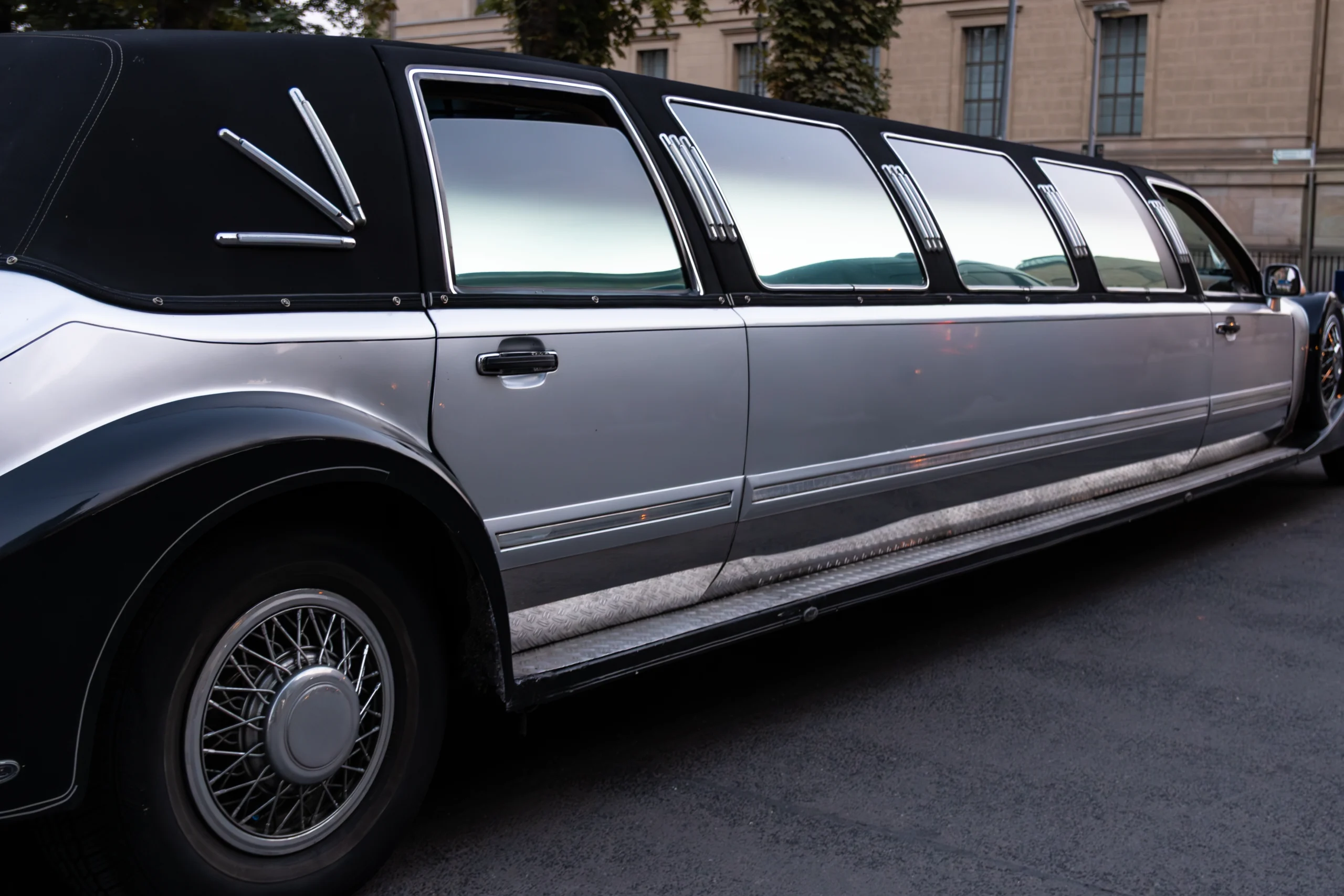
In North Carolina, businesses that transport clients from place to place are entrusted with more than just getting from point A to point B. For limousine and chauffeured service providers, that responsibility becomes even greater when the passengers are executives, celebrities, wedding parties, or other high-profile clients who expect a professional, seamless experience. With that expectation comes increased operational and financial exposure, which is why many operators explore options like Limousine Insurance designed for their type of service.
At Pegram Insurance Agency, based in North Carolina, we regularly work with transportation businesses that are focused on protecting their operations while maintaining a strong reputation in a competitive marketplace. Understanding how risk shows up in this industry is an important first step toward evaluating insurance solutions that may help support long-term stability.
Why Does Transporting High-Profile Clients In North Carolina Carry Added Risk?
Transporting high-profile clients in North Carolina often involves more than routine driving. These passengers typically expect elevated service standards, strict timing, and a high degree of privacy and professionalism. When expectations are high, even small disruptions can lead to outsized consequences for a transportation business.
North Carolina presents a diverse driving environment. Operators may navigate dense traffic in cities like Charlotte, Raleigh, or Durham, then transition to rural highways or coastal routes. Each setting brings different challenges, from congestion and unpredictable drivers to weather-related hazards such as heavy rain or occasional winter conditions in certain regions.
For limousine and chauffeured services, the stakes are often tied not just to the vehicle itself, but to the people inside it. Delays, accidents, or service interruptions can impact client relationships and business reputation. This is one reason many operators evaluate Limousine Insurance in North Carolina, which may help address risks associated with passenger transportation in a professional setting.
What Types Of Risks Do Limo And Chauffeured Services Commonly Face?
Limo and chauffeured transportation businesses in North Carolina can face a wide range of risks that go beyond standard personal vehicle use. These risks often vary depending on fleet size, service area, and client profile, but several common exposures tend to appear across the industry.
One of the most significant risks involves traffic accidents. With frequent time spent on busy highways and urban roads, the likelihood of collisions can increase. Even minor incidents may lead to property damage, passenger injury claims, or service interruptions that affect scheduled bookings.
Another concern is liability exposure involving passengers. When transporting clients, especially high-profile individuals, there is often heightened sensitivity around safety, comfort, and overall experience. If an incident occurs, legal or financial claims may arise depending on the circumstances.
Uninsured or underinsured motorists can also be a concern in North Carolina, as not all drivers on the road carry sufficient insurance. This can complicate recovery efforts after an accident. In addition, limo operators may face risks related to employee driving behavior, vehicle maintenance issues, or unexpected breakdowns that affect operations.
Because these risks can overlap, many businesses explore Limo Insurance options in North Carolina that are designed to align with commercial passenger transportation rather than personal auto use.
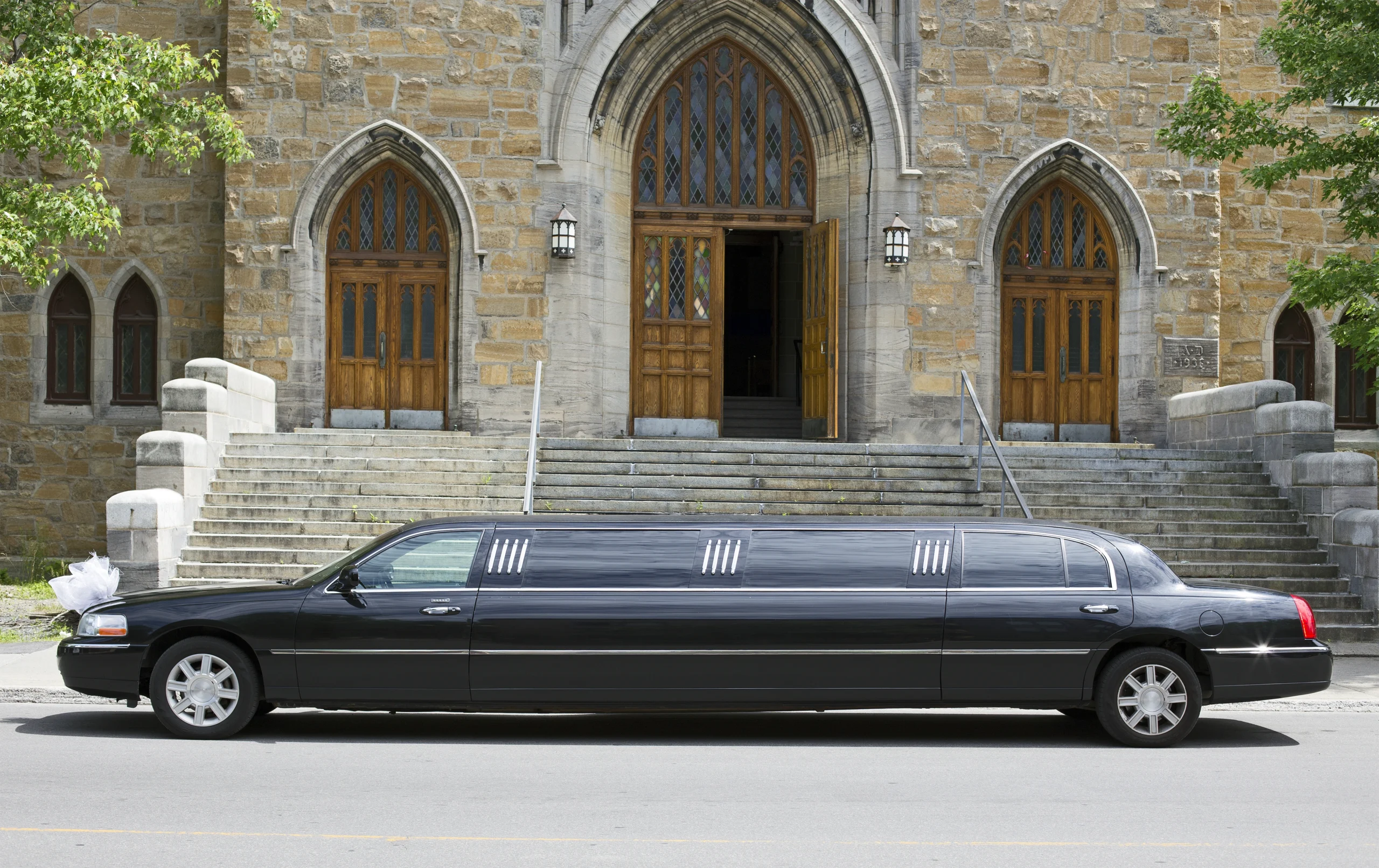
How Does Limo Insurance Or Limousine Insurance Typically Support North Carolina Operators?
Limo Insurance in North Carolina generally refers to a combination of commercial insurance coverages that may be tailored to the specific needs of passenger transportation businesses. While policies vary by provider and situation, they are often designed to help address the unique exposures that come with carrying paying passengers.
Commercial auto insurance liability is commonly a core component, and it may help respond to certain claims involving bodily injury or property damage where the limo operator is found responsible. Physical damage coverage is also frequently considered to help with repair or replacement costs after accidents, vandalism, or other covered events.
In addition, some policies may include uninsured or underinsured motorist protection, which can be important in situations where another driver involved in an accident does not carry adequate insurance. For businesses that use additional vehicles outside of their owned fleet, hired and non-owned auto coverage may sometimes be considered as well.
It is also common for limousine operators in North Carolina to explore coverage options that address business interruption concerns or downtime after an incident, although availability and terms can vary widely. Because each operation is different, the structure of Limousine Insurance policies in North Carolina is often customized based on fleet size, service model, and risk tolerance.
Why Is North Carolina Regulation And Market Environment Important For Limousine Insurance?
North Carolina’s regulatory environment plays a meaningful role in how limousine and chauffeured services operate. Transportation businesses may be subject to state and local requirements that influence insurance needs, licensing, and operational standards. These requirements can differ depending on whether the service is operating within a city, across counties, or statewide.
Urban centers like Charlotte and Raleigh tend to have higher ride demand, more traffic congestion, and increased competition among transportation providers. This environment can elevate both opportunity and risk. Meanwhile, operators serving airport routes or long-distance trips across North Carolina highways may encounter different exposure patterns, including higher speeds and longer drive times.
Insurance expectations in the commercial transportation space are also shaped by client contracts and vendor requirements. Corporate clients, event planners, and hospitality partners may request proof of insurance or specific liability limits before booking services. This makes it important for limo operators to regularly evaluate whether their current North Carolina Limousine Insurance approach aligns with both regulatory expectations and client demands.
Because requirements and expectations can shift over time, many businesses benefit from periodically reviewing their insurance structure rather than treating it as a one-time setup.

How Can Pegram Insurance Agency Help Businesses Navigate Coverage Options?
For transportation businesses in North Carolina, selecting appropriate insurance is rarely a one-size-fits-all process. Fleet size, driving radius, client type, and scheduling patterns all influence what types of protection may be most relevant. This is especially true for operators focused on high-profile clients, where service expectations and reputational risk are often elevated.
Pegram Insurance Agency works with commercial clients across North Carolina who are exploring Limo Insurance and Limousine Insurance solutions tailored to their operations. Rather than focusing on a single policy structure, the goal is often to review available options and help businesses understand how different coverage types may respond to real-world situations.
This can include discussing liability considerations, vehicle-related exposures, and operational risks that come with transporting passengers professionally. For many operators, the value is in having a clearer picture of how insurance may support continuity when unexpected events occur.
Driving high-profile clients in North Carolina comes with opportunity, but it also comes with responsibility. With the right planning and risk awareness, limousine and chauffeured service providers can position themselves to operate with greater confidence in a demanding industry environment.
Contact Us!
For quotes or questions, fill out the form below and one of our agents will be in touch shortly!