
Owning rental property in North Carolina can be a rewarding way to build long-term wealth, but it also comes with responsibilities and risks that can feel overwhelming at times. From changing weather patterns to evolving landlord-tenant laws, property owners often find themselves navigating situations that look very different from those in other states. That is where thoughtful insurance planning can play a role in supporting your investment strategy.
At Pegram Insurance Agency, we work with rental property owners across North Carolina who want to better understand how landlord insurance and landlord liability insurance may fit into their broader risk management plans. While coverage options and eligibility can vary, learning about common exposures can help you ask better questions and make more informed decisions.
What Unique Risks Do Rental Property Owners Face in North Carolina?
Rental properties in North Carolina may be exposed to a mix of coastal weather, inland storms, humidity, and seasonal temperature swings. Depending on where your property is located, you might think about risks tied to wind, heavy rain, or water intrusion. Older properties in historic neighborhoods can also present maintenance challenges that increase the likelihood of unexpected repairs or tenant complaints.
Beyond weather and property condition, rental owners often consider risks related to tenant behavior and third-party visitors. Guests, delivery drivers, and contractors can all interact with your property, and accidents can happen even when you take reasonable precautions. These scenarios are part of why many landlords explore landlord insurance and landlord liability insurance as part of their overall approach to protecting rental properties in North Carolina.
How Do North Carolina Laws Shape Landlord Responsibilities?
North Carolina landlord-tenant laws outline certain responsibilities for property owners, including expectations around habitability, maintenance, and safety features. While the specifics can depend on local ordinances and the terms of your lease agreement, landlords often carry duties related to structural integrity, working utilities, and addressing known hazards in a timely manner.
These legal expectations can influence how you think about risk. For example, if a repair is delayed and a tenant or visitor is injured, the situation may create financial and legal stress for the property owner. Understanding how state and local requirements intersect with your day-to-day operations can help you spot areas where additional risk management steps, including conversations about landlord liability insurance, might be worth exploring.
Why Can Liability Be a Concern for Landlords?
Liability concerns can arise in ordinary, everyday situations. A tenant could slip on wet steps after a storm. A visitor might trip over uneven pavement. Even routine maintenance work can introduce risk if someone is hurt while on the property. In North Carolina, these types of incidents can lead to claims or legal action depending on the circumstances.
Landlord liability insurance is often discussed as a way to address financial exposure connected to certain third-party injury or property damage situations. Coverage terms, conditions, and availability can vary, and outcomes can depend on how an incident occurred and how policies are structured. Still, many rental property owners in North Carolina consider liability considerations when reviewing their broader landlord insurance options.
How Can Property Location Affect Insurance Needs?
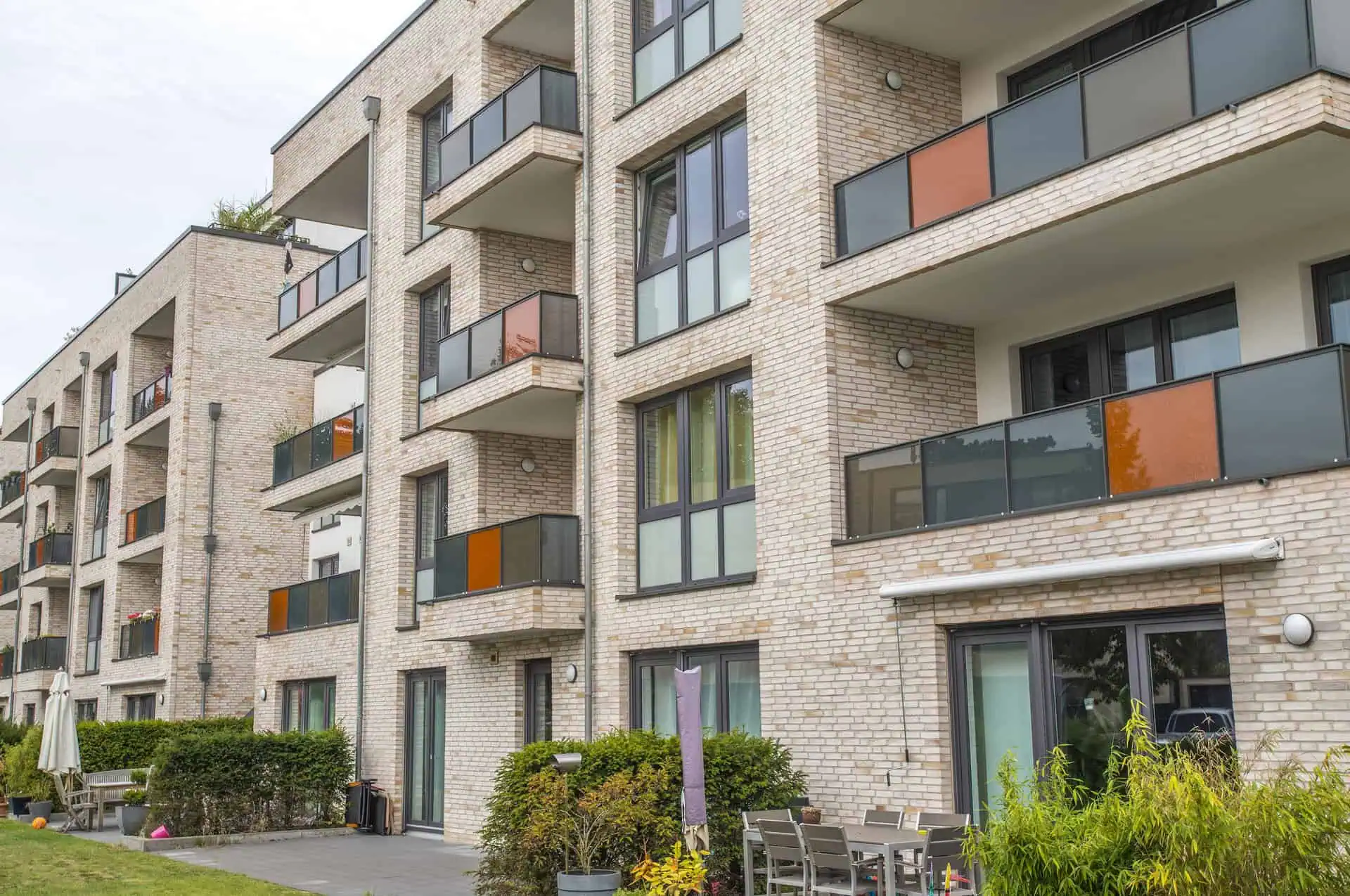
North Carolina is geographically diverse, and location can influence the types of risks landlords think about. Coastal areas may experience stronger storms and flooding concerns. Piedmont and mountain regions may deal with heavy rain, fallen trees, or winter weather events. Urban properties can face different exposures than rural rentals, such as higher foot traffic or different building codes.
Because risks vary by location, landlord insurance options in North Carolina are often discussed in the context of where a property sits and how it is used. A single-family rental in a quiet neighborhood may present different considerations than a multi-unit property near a university or downtown area. Talking through location-based factors with a local agency like Pegram Insurance Agency can help tailor the conversation to your specific situation.
What Role Does Property Condition Play in Managing Risk?
The condition of a rental property can influence both tenant satisfaction and potential exposure to losses. Deferred maintenance, aging roofs, outdated electrical systems, and worn stairways can increase the likelihood of claims or disputes. Regular inspections and clear maintenance processes may help reduce surprises and keep small issues from becoming larger problems.
From an insurance perspective, property condition can sometimes factor into underwriting considerations or eligibility for certain landlord insurance options. While no policy can replace good upkeep, staying proactive with maintenance can complement whatever insurance strategy you pursue in North Carolina.
How Might Tenant Screening Impact Your Risk Profile?
Tenant screening is another piece of the risk puzzle for rental property owners. Clear application processes, background checks where permitted by law, and well-written lease agreements can help set expectations on both sides. Tenants who understand their responsibilities may be more likely to report issues early and follow property guidelines.
While landlord insurance and landlord liability insurance focus on financial risk management, many landlords view tenant screening and communication as practical steps that work alongside insurance. Together, these efforts can support a more stable rental experience in North Carolina, even though no approach can remove all uncertainty.
Why Is Working With a Local Agency Helpful?
Insurance discussions tend to be more productive when they are grounded in a local context. A North Carolina-based agency is familiar with regional weather patterns, common property types, and state-specific regulations that can affect rental property owners. This local knowledge can shape the questions you ask and the options you explore.
Pegram Insurance Agency works with landlords throughout North Carolina who want guidance that reflects the realities of owning rental property here. While coverage terms and outcomes depend on individual circumstances, having a local point of contact can make it easier to revisit your approach as your portfolio grows or changes.
How Can Landlord Insurance Fit Into a Broader Risk Management Plan?
Landlord insurance is often discussed as one part of a broader strategy that may include maintenance planning, tenant communication, legal guidance, and financial reserves. Each of these pieces plays a role in how well you can respond to unexpected events. Landlord liability insurance, in particular, is frequently considered in conversations about third-party risk and legal exposure.
Because insurance policies are contracts with specific terms and conditions, it can be helpful to review them periodically and ask how they align with your current property mix and goals. Changes in property use, renovations, or tenant profiles may prompt new questions about your landlord insurance approach in North Carolina.
What Next Steps Can North Carolina Rental Owners Consider?
If you own rental property in North Carolina, taking time to review your risks and responsibilities can be a practical first step. Think about your property locations, tenant types, maintenance routines, and long-term plans. These details can guide more productive conversations about landlord insurance and landlord liability insurance.
Pegram Insurance Agency is here to help rental property owners in North Carolina explore their options and better understand how insurance may support their broader risk management goals. While no single solution fits every landlord, thoughtful planning and local insight can make navigating these unique risks and responsibilities feel more manageable. Reach out to us to take the first step in protecting your property.
Contact Us!
For quotes or questions, fill out the form below and one of our agents will be in touch shortly!