Owning undeveloped property can create opportunities for the future, whether the goal is building a home, starting a business, farming, or simply holding land as an investment. While vacant property may appear to carry fewer risks than developed real estate, it can still present liability concerns that many landowners do not anticipate. Visitors, neighboring properties, and unexpected incidents can all contribute to situations where financial protection becomes an important consideration.
That is why many property owners explore Vacant Land Insurance or Land Insurance. Coverage options can vary depending on the property, its location, and how it is used, making it worthwhile to review insurance needs with a knowledgeable local agency.
At Pegram Insurance Agency, property owners throughout North Carolina can discuss insurance options designed for vacant land and learn how different policies may fit their unique circumstances.
Who Typically Needs Vacant Land Insurance In North Carolina?
Many people assume insurance is only necessary once a structure has been built. However, vacant land can still involve risks that deserve attention.
Property owners who may want to consider Vacant Land Insurance include:
- Individuals who purchased land for a future home
- Families holding inherited property
- Investors purchasing undeveloped acreage
- Owners of recreational land used for hiking or hunting
- Individuals planning future agricultural operations
- Businesses that own undeveloped commercial lots
Even if land remains untouched for years, accidents or unexpected events could still occur. Reviewing insurance options before development begins may provide added confidence while plans are still taking shape.
Every parcel is different, so eligibility and available protections can vary based on location, property characteristics, and intended use.
What Is Vacant Land Insurance Designed To Cover?
Vacant Land Insurance generally focuses on liability exposures associated with owning undeveloped property rather than protecting buildings, since no permanent structures exist on the land.
Depending on the policy and insurer, coverage options may include protection related to situations involving:
- Alleged bodily injury occurring on the property
- Certain property damage claims involving others
- Legal defense expenses for covered liability claims
- Incidents involving authorized visitors
Coverage details differ from one policy to another, and exclusions or limitations often apply. Activities taking place on the property can also influence what insurance options may be available.
Because every parcel has unique characteristics, discussing intended land use with an experienced insurance professional can help determine which policy options deserve consideration.

Why Could Owning Vacant Land Still Create Liability Risks?
Many owners believe undeveloped land presents little risk simply because there are no buildings on it. In reality, liability exposures may still exist.
Visitors might enter the property with permission or without realizing they have crossed onto private land. Uneven terrain, fallen trees, ponds, fences, or other natural features could contribute to accidents. Even neighboring properties may be affected if certain conditions on vacant land contribute to damage.
Some examples of situations that could create liability concerns include:
- Someone slipping on uneven ground
- A visitor being injured while exploring the property
- A tree falling onto neighboring property
- Recreational activities resulting in injuries
- Temporary maintenance work leading to accidental damage
Not every situation would be covered under every policy, but understanding these possibilities can help landowners evaluate whether Land Insurance aligns with their overall risk management strategy.
Does The Way You Use The Land Affect Insurance Needs In North Carolina?
Yes. Intended land use often plays an important role when evaluating insurance options.
A small residential lot waiting for construction generally presents different exposures than hundreds of acres used for recreation or agriculture. Likewise, land that regularly hosts guests may require different considerations than property that remains largely inaccessible.
Insurance companies may evaluate factors such as:
- Property size
- Location within North Carolina
- Recreational activities
- Hunting or fishing access
- Agricultural use
- Future construction plans
- Public accessibility
- Existing roads or trails
Providing accurate information about how the property is currently used, along with future plans, can help identify insurance options that better reflect the property’s unique characteristics.
Could Vacant Land Insurance Be Helpful Before Construction Begins?
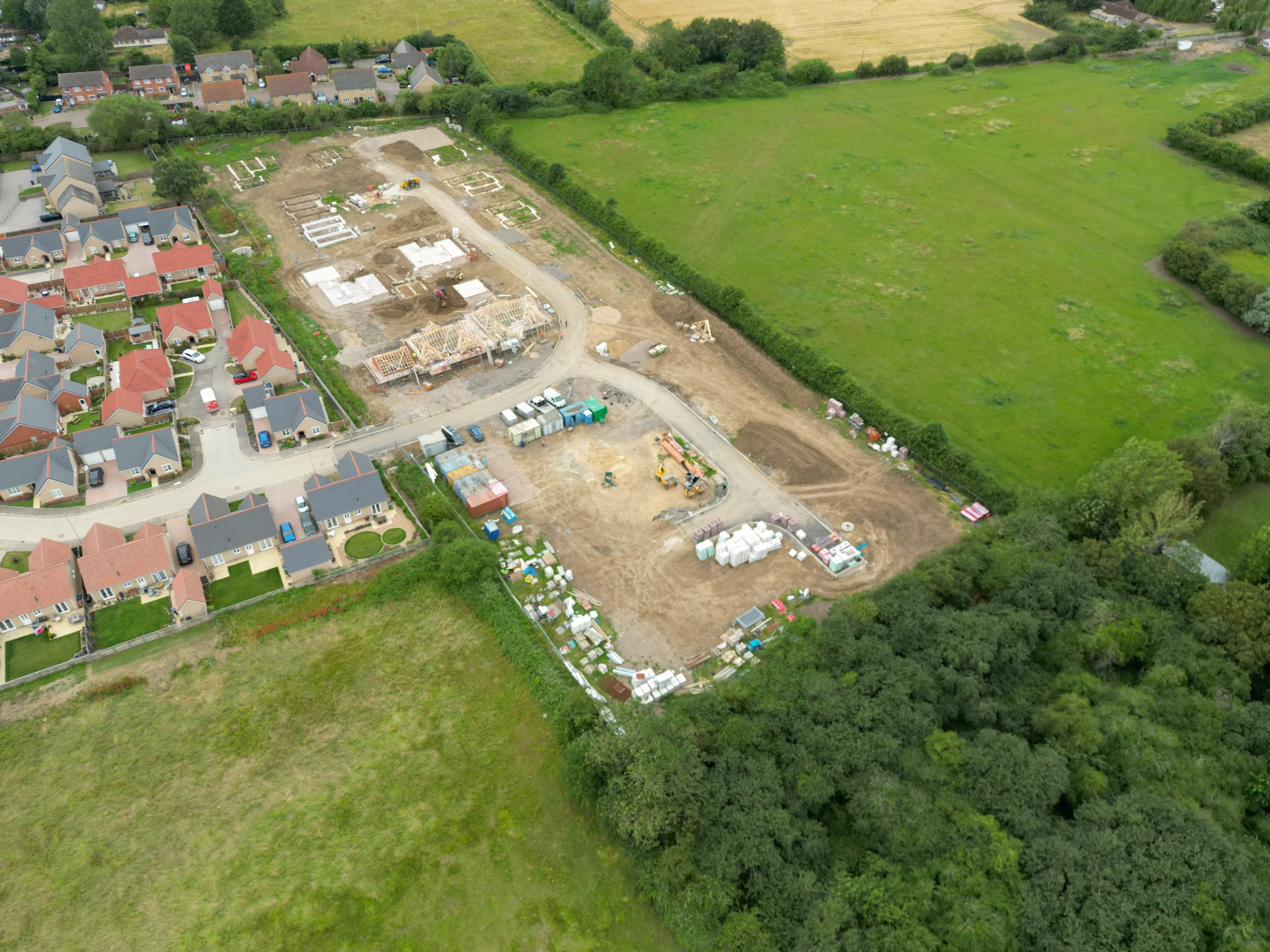
Many people purchase land months or even years before building a home or commercial structure. During that waiting period, the property may still present liability exposures.
Construction delays, permitting timelines, financing, or changing market conditions can all extend the period between land purchase and development. Throughout that time, visitors, contractors, surveyors, utility workers, or neighboring property owners could interact with the land.
Discussing Vacant Land Insurance before construction starts may allow property owners to address potential liability concerns during this transitional phase.
Once construction begins, insurance needs often change, making it important to review coverage with an insurance professional as the project progresses.
How Can North Carolina Property Owners Choose The Right Land Insurance?
Selecting the right Land Insurance policy starts with understanding how the property is used today and how it may be used in the future.
When reviewing insurance options, landowners may want to consider questions such as:
- Will anyone regularly visit the property?
- Is recreational use permitted?
- Are there ponds, wooded areas, or natural hazards?
- Will contractors access the property?
- Are there plans to build within the next few years?
- Is the land owned personally or through a business entity?
An insurance professional can explain available policy options, discuss potential exclusions, and help identify coverage that aligns with the property’s specific circumstances.
Regular policy reviews are also valuable because land use often changes over time. A parcel that begins as vacant land may eventually become residential, commercial, or agricultural property, creating different insurance needs.
Why Work With Pegram Insurance Agency For Vacant Land Insurance In North Carolina?
Finding insurance for undeveloped property often requires more than selecting a standard policy. Every parcel has unique features, ownership goals, and potential exposures that deserve careful evaluation.
At Pegram Insurance Agency, the team works with North Carolina property owners to discuss Vacant Land Insurance and Land Insurance options that reflect how each property is owned and used. Whether you recently purchased a residential lot, inherited acreage, or invested in recreational land, experienced guidance can make comparing available solutions much easier.
If you own vacant property in North Carolina, contact Pegram Insurance Agency today to learn more about available Vacant Land Insurance options and discuss coverage that fits your property’s current and future plans.
Contact Us!
For quotes or questions, fill out the form below and one of our agents will be in touch shortly!