
A vacant house can present insurance challenges that a typical occupied home may not. If a property in North Carolina is left unoccupied for an extended period, its risks can change significantly. Without regular occupants, problems such as water leaks, vandalism, theft, and property damage may go unnoticed for longer periods.
That is one reason property owners may need to look beyond a standard homeowners policy and consider specialized Vacant Home Insurance options. The right insurance approach can depend on why the home is vacant, how long it is expected to remain unoccupied, the condition of the property, and the specific policy terms.
At Pegram Insurance Agency, we help North Carolina property owners explore insurance options for homes that are between occupants, undergoing renovations, listed for sale, or otherwise unoccupied.
Why Can A Vacant House Have Different Insurance Risks?
An occupied home typically has people present who may notice issues quickly. A vacant property may not have that same level of daily oversight.
For example, a small plumbing leak could continue for an extended period before someone discovers it. A broken window may create an opportunity for additional property damage. Landscaping, heating, cooling, and general maintenance may also require more intentional oversight when no one is living in the home.
In North Carolina, property owners may also need to consider regional weather conditions. Heavy rain, wind, tropical storms, and hurricanes can create concerns for properties that are not regularly monitored. Depending on the property location and policy terms, certain risks may require specific attention when reviewing insurance options.
Why Might A Standard Homeowners Policy Not Be Designed For A Vacant Property?
Many homeowners insurance policies are structured around the assumption that a home is occupied as a residence. When a home becomes vacant, the risk profile may change.
Policy terms can vary, and some policies may contain conditions, limitations, exclusions, or other provisions related to vacancy or unoccupancy. The effect of those provisions can depend on the policy language and the circumstances surrounding the property.
This is why property owners should not assume that an existing homeowners policy will automatically provide the same type of protection while a home is vacant. Speaking with an insurance professional can help you understand how the property’s status may affect your current policy and whether a Vacant Home Insurance policy or another insurance solution may be appropriate.
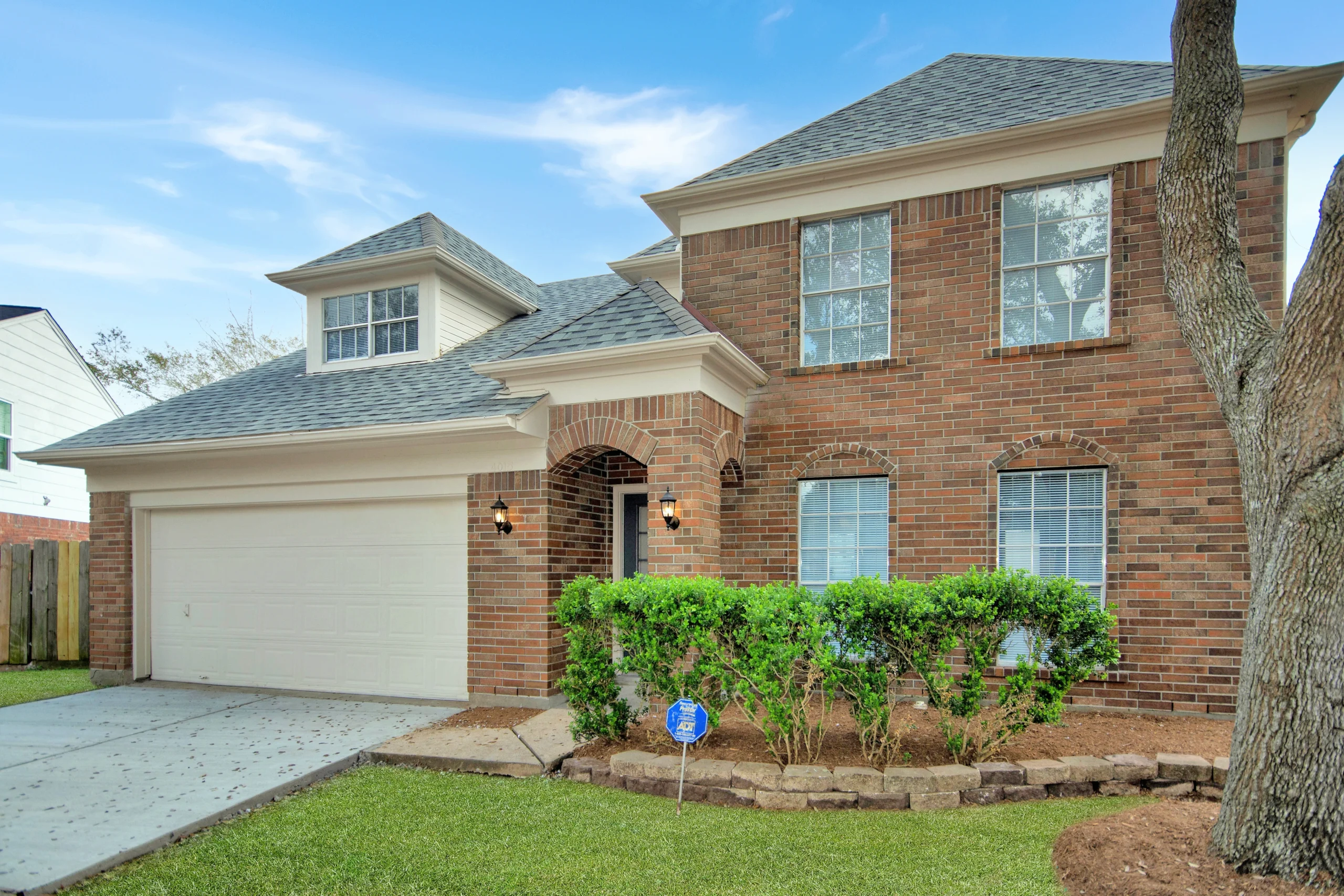
What Types Of Homes In North Carolina May Need Vacant Home Insurance?
A variety of properties may become vacant for different reasons. For example, a home may be unoccupied because:
- It is listed for sale after the previous residents moved out.
- The owner is waiting for a new tenant or buyer.
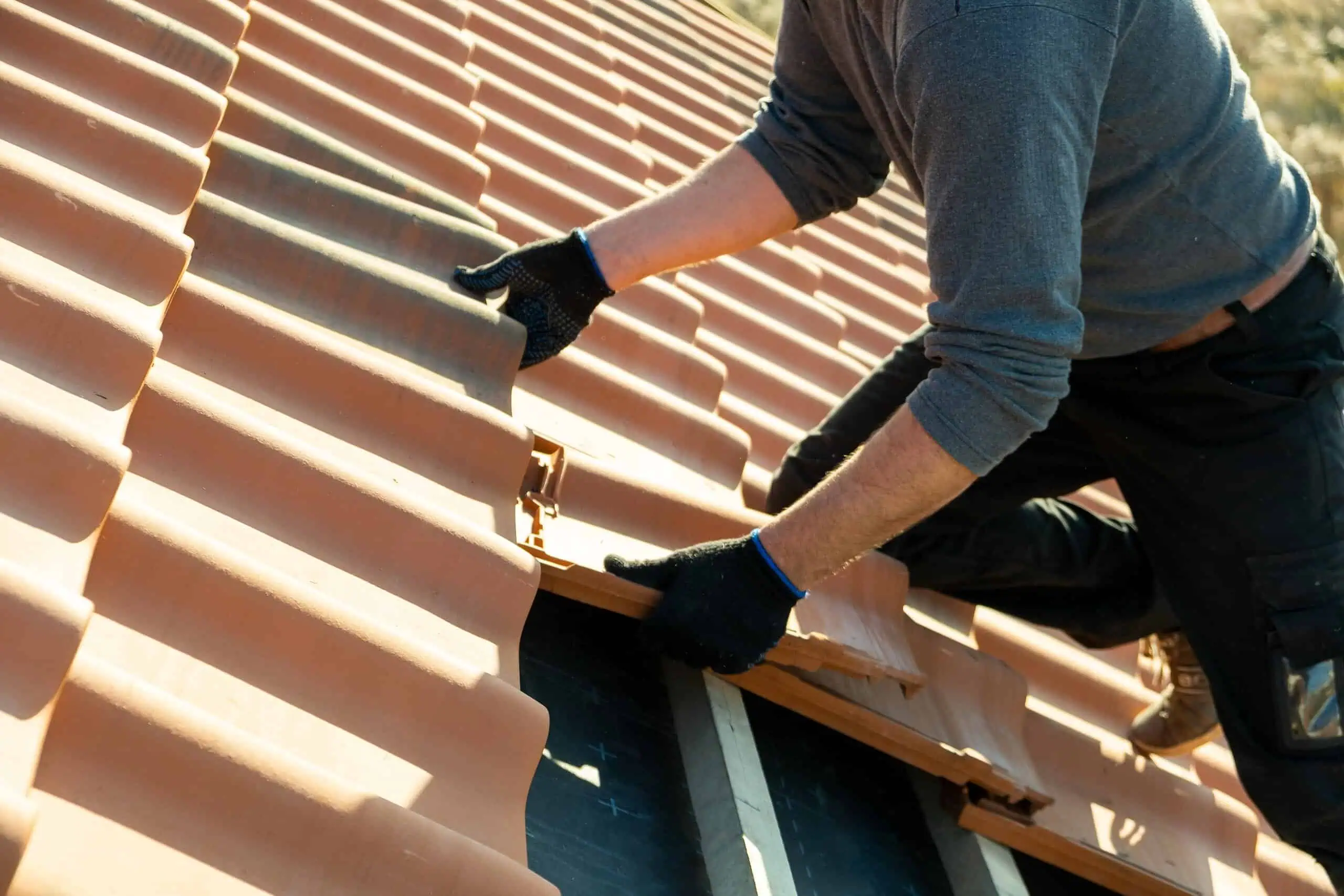
- The property is being renovated or repaired.
- The home is part of an estate or inheritance.
- The owner is relocating and has not yet sold the property.
- The property is a second home that will not be occupied for a period of time.
- A foreclosure or legal process has affected occupancy.
The appropriate insurance option can depend on the circumstances. A home undergoing major renovations may have different insurance considerations than a property that is simply waiting for a new occupant.
How Can Vacancy Affect The Insurance Conversation?
Vacancy is not always the same as occasional unoccupancy. Insurance companies may use specific definitions and time periods when evaluating whether a property is considered vacant or unoccupied.
The distinction can matter because the property’s use, condition, and level of supervision may influence how an insurer evaluates the risk. If you expect a home to remain empty, it is important to discuss the situation with your insurance agent rather than waiting until a loss occurs.
At Pegram Insurance Agency, we can help review the details of your North Carolina property and discuss potential insurance options based on its current circumstances.
What Risks Should North Carolina Property Owners Consider?
A vacant home may have several risks that deserve attention. These can include unauthorized entry, vandalism, theft, fire, water damage, and weather-related property damage.
The likelihood and potential impact of these risks can vary based on the home’s location, construction, security measures, maintenance, and length of vacancy. A property in a rural area may have different considerations than a home in a densely populated neighborhood.
North Carolina property owners may also want to think about coastal weather exposure, inland flooding concerns, wind-related events, and other regional factors. Insurance policies can differ significantly in what they cover, so reviewing the actual policy language is important.
Can A Vacant House Still Be Insured During Renovations?
In many cases, a home can have insurance considerations that are different from those of a fully occupied residence while renovation work is underway. The scope of the project may be important.
Cosmetic updates may present different insurance questions than major structural work, electrical changes, plumbing projects, or extensive construction. Contractors, building materials, construction equipment, and the property’s overall condition may all be relevant to the insurance discussion.
If your North Carolina home is vacant because of renovations, contact your insurance agent before work begins or as soon as the property’s occupancy status changes. This can provide an opportunity to review whether your current policy remains suitable for the situation.
What Should You Look For In Vacant Home Insurance?
There is no single insurance solution that is right for every vacant property. The appropriate policy may depend on factors such as the property’s location, value, condition, reason for vacancy, and expected vacancy period.
When exploring Vacant Home Insurance in North Carolina, property owners may want to discuss:
- How the policy defines vacancy and unoccupancy.
- What types of property damage may be addressed.
- Whether specific conditions apply to vacant properties.
- How the home’s location affects insurance considerations.
- Whether additional coverage options may be available.
- What steps may help with property security and maintenance.
Because coverage terms can vary, reviewing the details with an experienced insurance professional can be helpful.

How Can Pegram Insurance Agency Help With Vacant Home Insurance?
A vacant home can be an important asset, and its insurance needs may change when no one is living there. The first step is understanding how the property’s current status may affect your insurance options.
Pegram Insurance Agency serves property owners throughout North Carolina and can help you review potential insurance solutions for a vacant house. Whether your property is for sale, undergoing renovations, between tenants, or vacant for another reason, we can discuss the factors that may be relevant to your situation.
If you own a vacant property in North Carolina, do not assume your existing homeowners insurance is automatically the right fit. Contact Pegram Insurance Agency to discuss your property and learn more about potential Vacant Home Insurance options.
Contact Us!
For quotes or questions, fill out the form below and one of our agents will be in touch shortly!