
Commercial vehicles keep many businesses running. Delivery vans transport orders, service trucks carry tools to job sites, and company cars help employees reach customers. When an accident or vehicle loss disrupts these operations, businesses may face repair expenses, missed appointments, delayed deliveries, and potential liability claims. For companies that depend on multiple vehicles, one incident can affect productivity and revenue.
Fleet Insurance can help North Carolina businesses prepare for vehicle-related risks by providing insurance options suited to their operations. Pegram Insurance Agency works with businesses to help them understand their insurance needs and explore available coverage. With the right approach, business owners can better prepare for unexpected disruptions and make informed decisions about managing fleet-related expenses.
What Is Fleet Insurance, And Why Does It Matter?
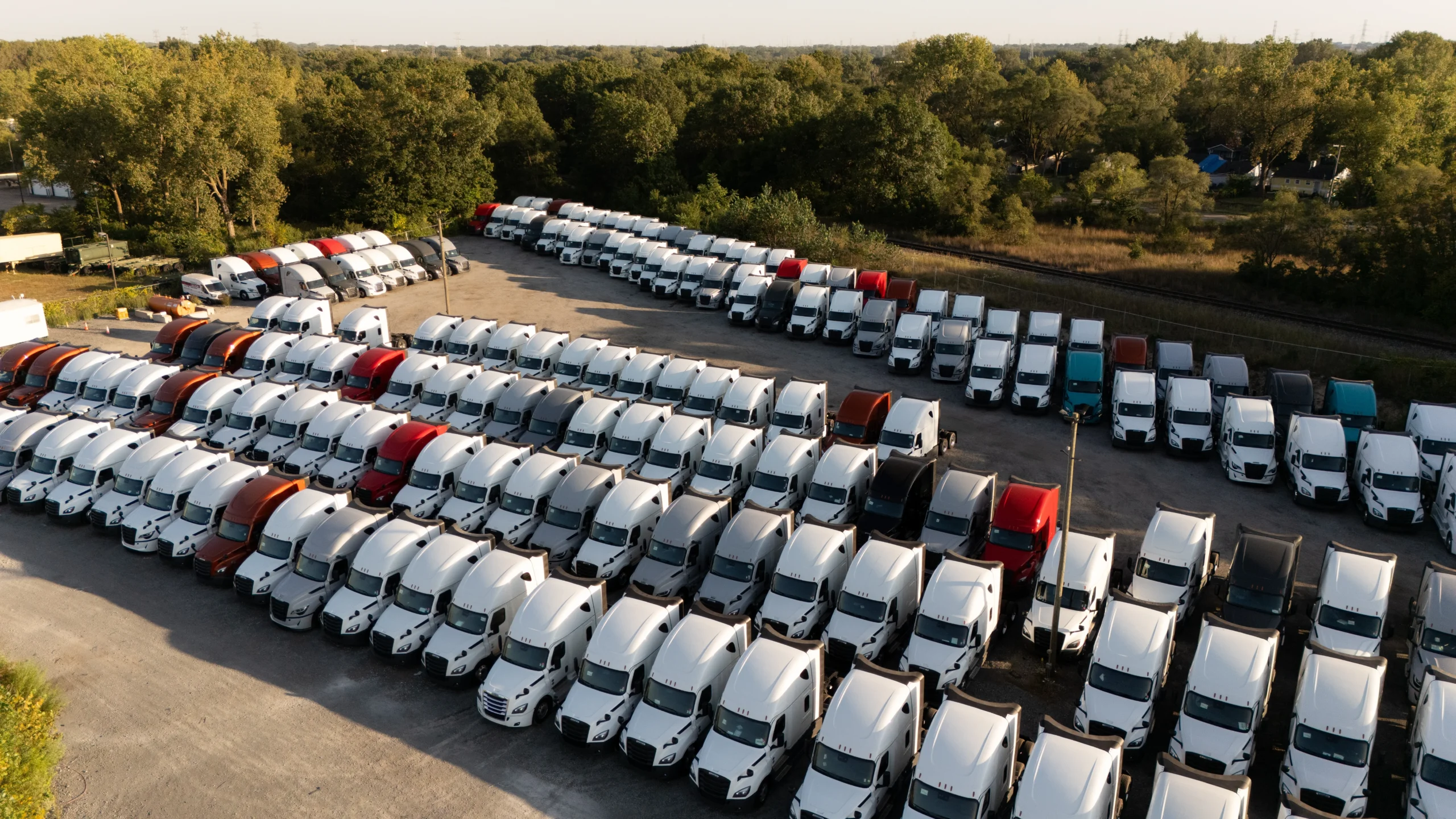
Fleet Insurance is designed for businesses that operate multiple vehicles for commercial purposes. Depending on the insurer and policy structure, eligible vehicles may be insured under a coordinated program rather than through separate arrangements for each vehicle.
This approach can simplify insurance administration for businesses with growing transportation needs. Construction companies, delivery services, landscaping businesses, and contractors throughout North Carolina may rely on Fleet Insurance to address risks associated with their commercial vehicles.
The appropriate policy depends on factors such as vehicle types, business activities, driving distances, and employee responsibilities. Understanding these details can help business owners explore insurance options that align with their operations.
How Can Fleet Insurance Help Reduce Business Downtime in North Carolina?
When a commercial vehicle becomes unavailable, daily operations can quickly fall behind. Employees may struggle to reach job sites, deliveries could be delayed, and customer appointments may need to be rescheduled. These interruptions can affect revenue and place additional pressure on other employees and vehicles.
Depending on the policy, Fleet Insurance may help cover certain vehicle damage resulting from covered accidents or other specified events. Some policies may also offer rental reimbursement or temporary transportation options, subject to applicable terms and conditions.
Businesses can further reduce downtime by maintaining vehicles regularly, training drivers, and developing backup transportation plans. For example, a North Carolina plumbing company could arrange to redistribute service calls among its remaining vans while a damaged vehicle undergoes repairs.
Combining appropriate insurance with practical contingency planning can help businesses respond more efficiently when unexpected vehicle problems occur.

What Liability Risks Can Fleet Insurance Help Address?
Commercial vehicles expose businesses to potential liability whenever employees drive for work. An accident could cause bodily injury or property damage, leading to claims against the driver or business. Depending on the circumstances, these claims may result in legal expenses and significant financial obligations.
Commercial auto liability coverage, which may be included in a Fleet Insurance program, can help address certain covered claims for which an insured business is legally responsible. Available protection depends on policy limits, exclusions, conditions, and applicable requirements.
Businesses should also consider who operates their vehicles, how frequently employees drive, and whether vehicles travel across multiple service areas. Driver qualification procedures, safe driving policies, and consistent incident reporting can support these efforts.
Insurance cannot prevent every lawsuit or guarantee that every claim will be covered. However, reviewing liability exposures can help business owners make more informed decisions about managing potential financial losses.
Which Fleet Insurance Coverages Should North Carolina Businesses Consider?
Fleet Insurance needs vary based on vehicle use, business size, and potential exposures. Pegram Insurance Agency can help businesses explore available options and understand how different coverage types may apply.
Depending on the insurer and policy, options may include:
- Commercial Auto Liability: May address certain covered claims involving bodily injury or property damage for which an insured business is legally responsible.
- Collision Coverage: May help pay for covered damage to an insured vehicle resulting from a collision, subject to the policy terms and deductible.
- Comprehensive Coverage: May address certain vehicle losses caused by events other than collisions, such as theft or vandalism.
- Uninsured or Underinsured Motorist Coverage: May provide protection for certain covered losses involving drivers with insufficient or no applicable insurance, depending on the policy and applicable requirements.
- Rental Reimbursement: May help pay eligible rental expenses while a covered vehicle is unavailable if the policy includes this option.
Not every business needs the same combination of coverage. Reviewing policy terms, exclusions, deductibles, and limits can help owners determine which options are appropriate for their fleets.
How Can North Carolina Businesses Choose The Right Fleet Insurance Policy?
Selecting Fleet Insurance requires more than comparing premiums. Business owners should consider how vehicles support daily operations and what financial consequences could follow an accident or loss.
Start by reviewing the number and types of vehicles your company operates. Consider whether employees drive passenger cars, cargo vans, pickup trucks, or heavier commercial vehicles. Evaluate driving patterns, service territories, driver experience, and the tools or merchandise transported.
It is also important to understand policy limits, exclusions, deductibles, and restrictions on vehicle use. A lower premium may not provide the most suitable balance between insurance costs and potential out-of-pocket expenses.
North Carolina businesses should revisit their insurance arrangements when adding vehicles, hiring drivers, expanding service areas, or changing operations. Regular reviews can help keep coverage aligned with evolving business needs.
Why Is Fleet Insurance Important For Long-Term Business Stability?
Unexpected vehicle expenses can strain cash flow, especially when repair costs and operational interruptions occur together. A business may need to pay for repairs, arrange alternative transportation, and manage customer expectations while dealing with a claim.
Fleet Insurance can form part of a broader strategy for managing these uncertainties. Appropriate coverage may help businesses address certain covered losses while preserving resources for other operating expenses.
Reliable transportation also supports customer satisfaction. When vehicles are unavailable, missed appointments and delayed deliveries can affect relationships and future business opportunities. Although insurance cannot eliminate every interruption, preparation can help companies respond more effectively.
Combining suitable insurance with preventive maintenance, driver safety training, and clear emergency procedures can strengthen a business’s overall risk management approach.
How Can Pegram Insurance Agency Help With Fleet Insurance?
Managing a commercial fleet means balancing vehicle expenses, liability concerns, and operational demands. Finding appropriate insurance begins with understanding how your vehicles are used and which risks could have the greatest effect on your business.
Pegram Insurance Agency helps North Carolina businesses explore insurance options based on their vehicles, operations, and potential exposures. Whether your company operates a few service vans or a larger commercial fleet, reviewing your insurance needs can help you identify potential gaps and evaluate available solutions.
Contact Pegram Insurance Agency today to discuss Fleet Insurance for your North Carolina business. Our team can help you review your needs and explore options for managing vehicle-related risks while keeping your business moving forward.
Contact Us!
For quotes or questions, fill out the form below and one of our agents will be in touch shortly!